Formation
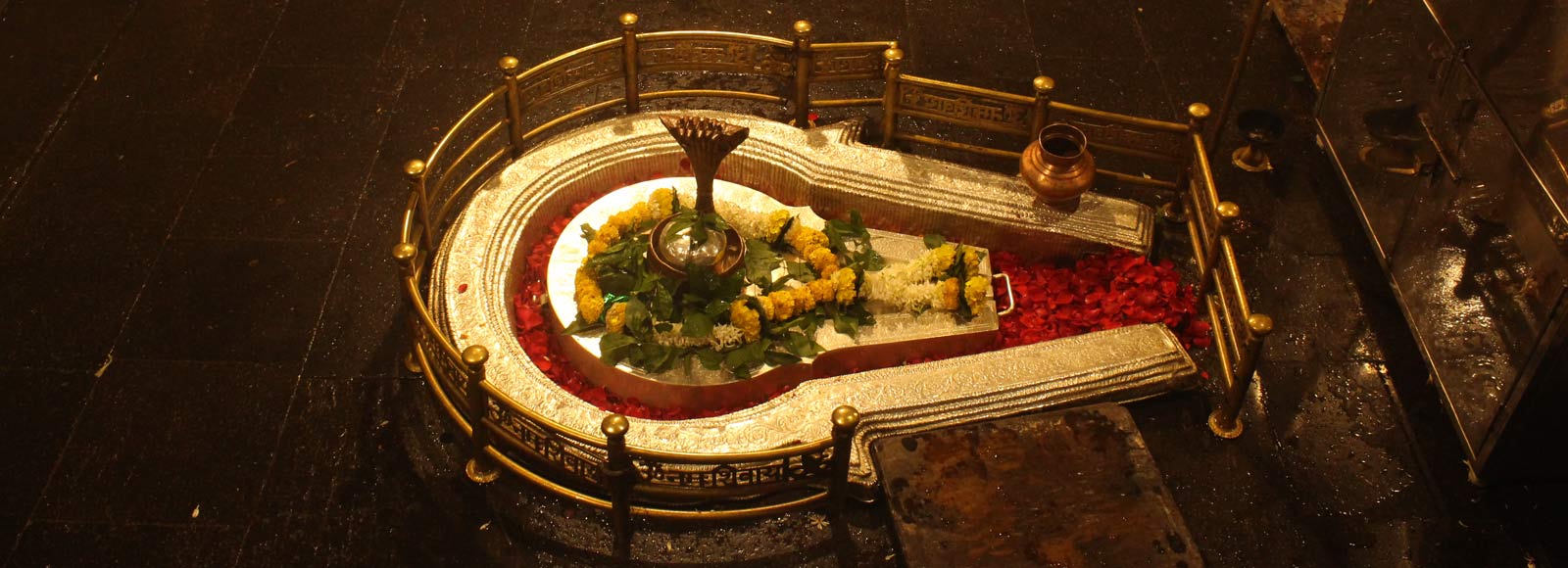 Bhimashankar Jyotirlinga, nestled in the Sahyadri range of Maharashtra, is a revered shrine dedicated to Lord Shiva.
Legend holds that it emerged as a self-originated lingam of light, known as Jyotirlinga, to absolve the sins of the
Pandava prince Bhima who sought redemption for slaying the demon Bhima, a Shiva devotee. The temple, showcasing a blend
of Nagara and Dravidian architectural styles, attracts pilgrims and nature enthusiasts. Surrounded by lush greenery,
it serves as a sacred abode where devotees seek blessings, and the annual Maha Shivaratri festival enhances the spiritual
ambiance, emphasizing the divine connection between Lord Shiva and his followers.
Temple
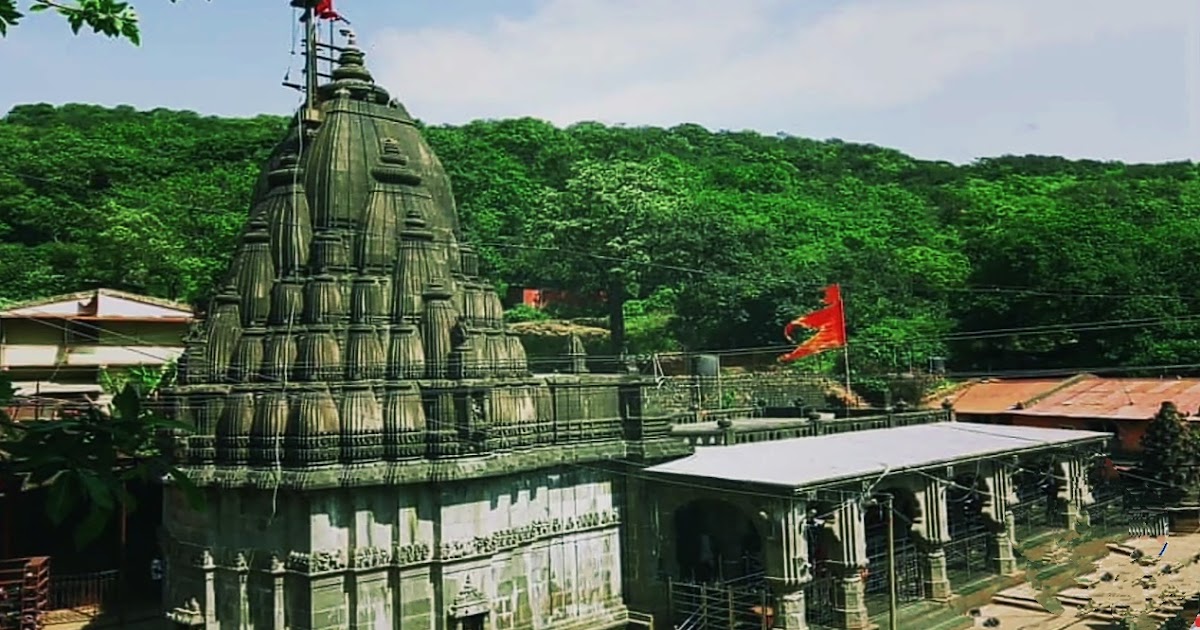 The Bhimashankar Temple, located in the Sahyadri range of Maharashtra, India, is a
prominent Jyotirlinga shrine dedicated to Lord Shiva. The temple's architecture reflects a blend of traditional
and contemporary styles, with intricate carvings and sculptures adorning its structure. Constructed in the Nagara
architectural style, the temple boasts a distinctive shikhara (spire) that rises elegantly. The sanctum sanctorum
houses the Svayambhu Linga, a self-manifested lingam, considered sacred by devotees. The temple premises also
feature a fascinating blend of natural beauty, surrounded by lush greenery and wildlife. Pilgrims trek through
the scenic landscapes to reach the temple, enhancing the spiritual experience. The architectural grandeur and
serene ambiance make Bhimashankar an essential pilgrimage site, attracting devotees and tourists alike.
WorshippingMethods
The Bhimashankar Temple, dedicated to Lord Shiva, follows traditional worship methods rooted in Hindu rituals. Devotees engage in various practices to express their reverence and seek divine blessings. The day typically begins with the ringing of the temple bells, signaling the start of the sacred rituals. The priests perform elaborate ablutions, or 'abhishek,' on the Shiva Linga using holy substances like milk, water, and sacred ash. Devotees offer flowers, fruits, and coconuts as symbolic gestures of devotion. The chanting of Vedic hymns and mantras fills the air, creating a spiritually charged atmosphere. The temple also observes specific festivals with grand celebrations, attracting pilgrims from afar. The worship methods at Bhimashankar Temple exemplify the age-old customs that connect devotees with the divine, fostering a sense of spiritual fulfillment and unity.
Significance
Bhimashankar Temple holds significant religious and historical importance in Hinduism. Located in the Sahyadri range in Maharashtra, India, it is one of the twelve Jyotirlingas, believed to be self-manifested representations of Lord Shiva. The temple's name is derived from the legendary tale of Lord Shiva taking the form of Bhima to slay the demon Tripurasura. Pilgrims visit Bhimashankar seeking spiritual solace and blessings from Lord Shiva. The temple's unique architectural style, nestled in a serene natural setting, adds to its allure. It also serves as a vital cultural and social center, hosting various religious festivals and events throughout the year. Devotees believe that worship at Bhimashankar brings liberation from worldly troubles and sins. The temple's significance extends beyond its religious role, contributing to the rich tapestry of India's spiritual and cultural heritage.
Timings
The temple opens at 4:30 AM in the morning and closes at 9:30 PM in the evening. The temple also performs various rituals during this time. The devotees can be a part of these rituals such as the afternoon and evening aarti.
Transportation
Bhimashankar is connected to many cities via roads. Regular bus services and taxis operate on this route. The nearest airport is the Pune airport. It is well built and connected to prominent cities of India. The nearest railway station is Karjat station. The distance between the station and Bhimashankar is 168 Km. So, it takes two hours to reach.
Open in Google MapsPrasadam
Bhimashankar Temple, dedicated to Lord Shiva, offers a unique and sacred prasadam as a divine offering to devotees. The primary prasadam at the temple often includes sacred items such as 'belpatra' (bilva leaves), which are considered highly auspicious in Shiva worship. The 'rudraksha' seeds, associated with Lord Shiva, are also commonly distributed as prasadam, symbolizing blessings and protection. Additionally, devotees may receive offerings like 'kumkum' (vermilion), 'chandan' (sandalwood paste), and 'vibhuti' (sacred ash), all representing purity and spiritual significance. Sweets and 'laddus' made from locally available ingredients might also be part of the prasadam, symbolizing the sweetness of devotion and divine grace.
Stotram
"पार्वती शंकरं पूज्यं राम लिकं भिमाशंकरम्।"
"Parvati Shankaram pujyam, Rama likam Bhimashankaram."
360° Virtual Tour of Bhimashankar Jyotirlinga
Experience the divine Bhimashankar Jyotirlinga temple as if you are there, with this interactive 360° virtual view.