Formation
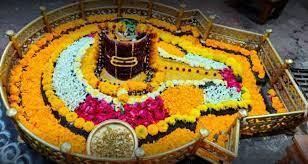
Once there was a Brahman couple Sudharm and Sudeha who had no children. Sudeha made her husband marry her sister Gushma, a great devotee of Lord Shiva. Gushma would make Shivlingas and immerse them in a lake. She was blessed with a son. Out of jealousy, Sudeha killed the son and threw him into the lake. Gushma, undisturbed, continued her worship. Lord Shiva revived her son and blessed her with the Jyotirlinga here, known as Ghrishneshwar.
Temple
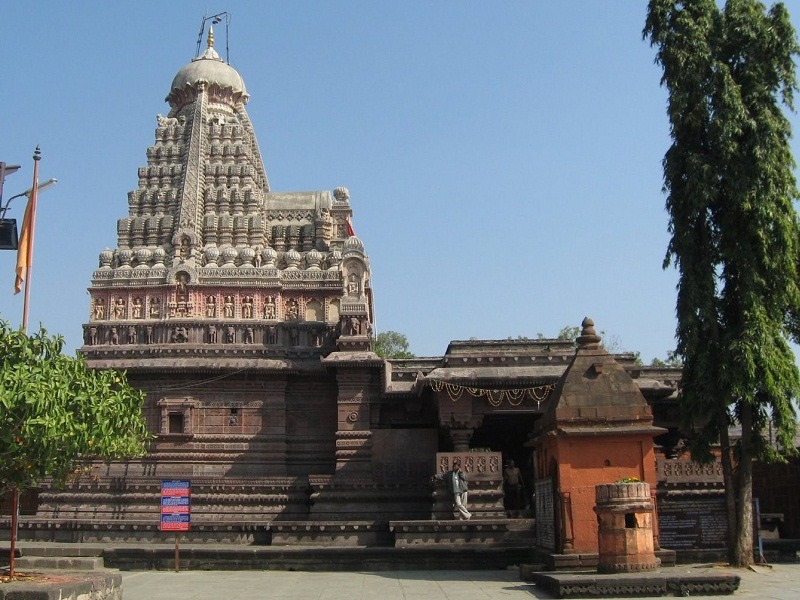
- Nagara Style Architecture: Traditional Nagara style with a tall shikhara.
- Shikhara: Decorated spire with mythological carvings.
- Sanctum: Houses the Jyotirlinga of Lord Shiva.
- Mandapas: Beautiful pillared halls for rituals.
- Decorative Elements: Intricate stone sculptures and motifs.
- Courtyard: Open space for devotees to gather.
- Historical Significance: Renovated multiple times in history.
Worshipping Methods
- Abhishekam: Ritual bath with milk, water, and honey.
- Bilva Leaves: Offered to please Lord Shiva.
- Oil Lamps: Lit to remove darkness and negativity.
- Chanting Mantras: Recitation of Om Namah Shivaya and Maha Mrityunjaya.
- Rudrabhishekam: Elaborate abhishekam ritual.
- Arati: Waving lamps while singing hymns.
- Pradakshina: Circumambulation of the sanctum.
- Festival Participation: Celebrating Maha Shivaratri and other festivals.
Significance
- One of 12 Jyotirlingas: Highly revered and spiritually important.
- Pilgrimage Spot: Visited by thousands worldwide.
- Legend: Linked to Gushma’s devotion story.
- Spiritual Merit: Belief in attaining moksha by worshipping here.
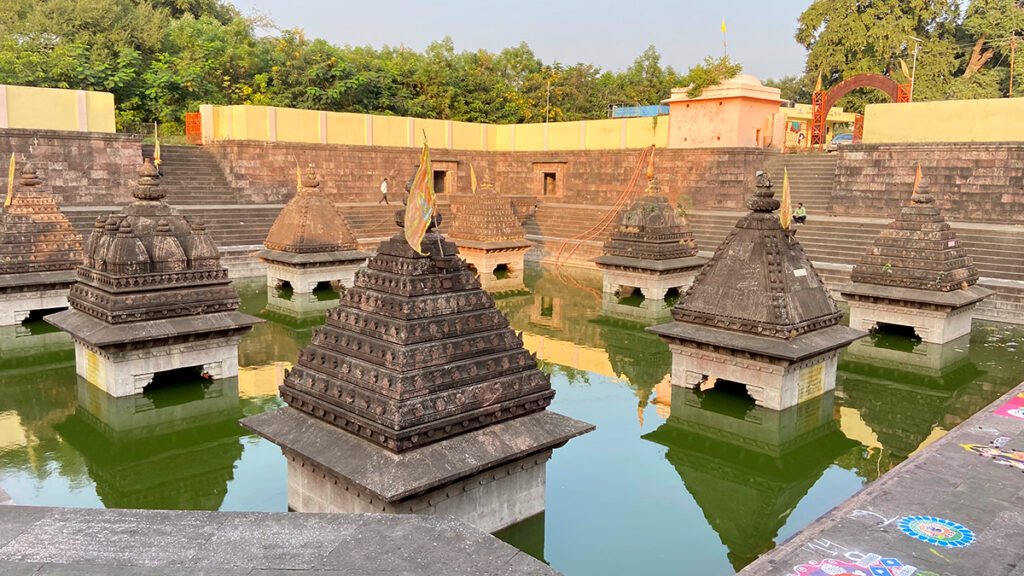
- Healing Waters: Kusavarta Kund believed to have medicinal properties.
- Historic Value: Represents a blend of various dynasties' architecture.
Timings
Opens: 5:30 AM to 9:30 PM daily. Timings may vary during festivals.
Transportation
Nearest railway station: Aurangabad (30 km). Available transport: taxis, auto-rickshaws, and buses. Road network is good. Close to Ellora Caves for tourists.
Open in Google MapsPrasadam
- Bilva Leaves: Offered as prasadam.
- Kumkum & Chandan: Sacred powder and paste given to devotees.
- Coconut: Broken and distributed.
- Flowers: Jasmine and lotus offered.
- Fruits: Bananas, apples, etc.
- Modak: Sweet dumpling offered.
- Sweets & Savories: Ladoo, kheer, and rice dishes.
- Abhishekam Milk & Water: Considered holy after rituals.
Stotram
"शिवालये ग्रिश्नेशं तु ज्योतिर्लिङ्ग सदा हरिः"
"Shivalaye Grishnesham tu Jyotirlinga sada Harih."
360° Virtual Tour of Ghrishneshwar Jyotirlinga
Experience the divine Ghrishneshwar Jyotirlinga temple as if you are there, with this interactive 360° virtual view.