Formation
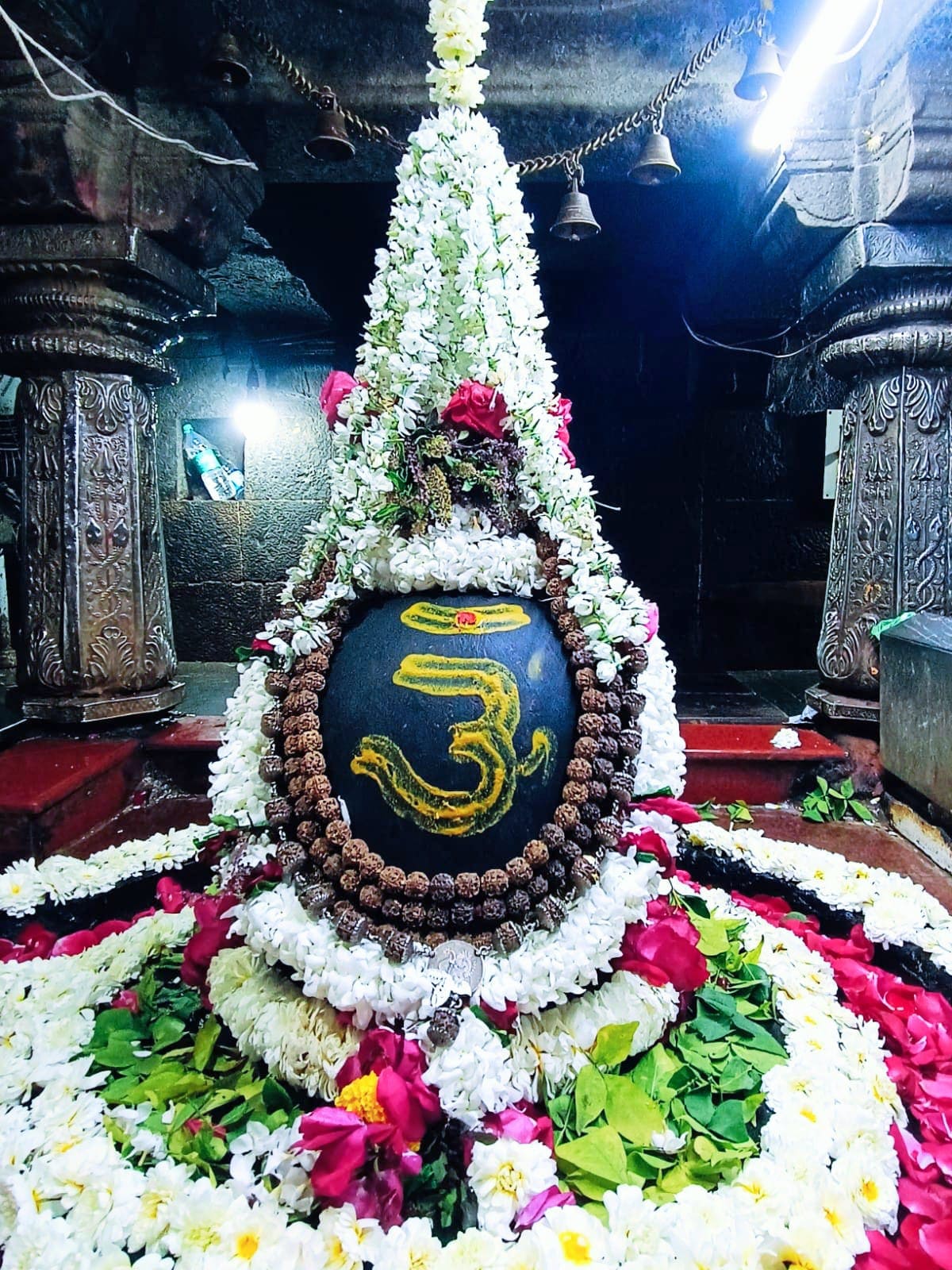 The Nageshwar Jyotirlinga, situated near Dwarka in Gujarat, holds mythological significance in Hinduism. According to
legend, a demon named Daaruka, who was a devotee of Lord Shiva, wreaked havoc, causing distress to the world. To combat
the menace, Lord Shiva manifested as the Nageshwar Jyotirlinga and defeated Daaruka. The linga is also associated with
the story of a humble cowherd named Supriya, who witnessed Lord Shiva's divine manifestation.The temple's construction is attributed to various periods, with historical records suggesting that it has been rebuilt several times. The current temple structure is a result of reconstructions during the 18th century. The Nageshwar Jyotirlinga is renowned for its spiritual significance and draws devotees seeking blessings for salvation and protection from evil forces. The sacred site symbolizes the divine presence of Lord Shiva as the destroyer of negativity and harbinger of peace.
Temple
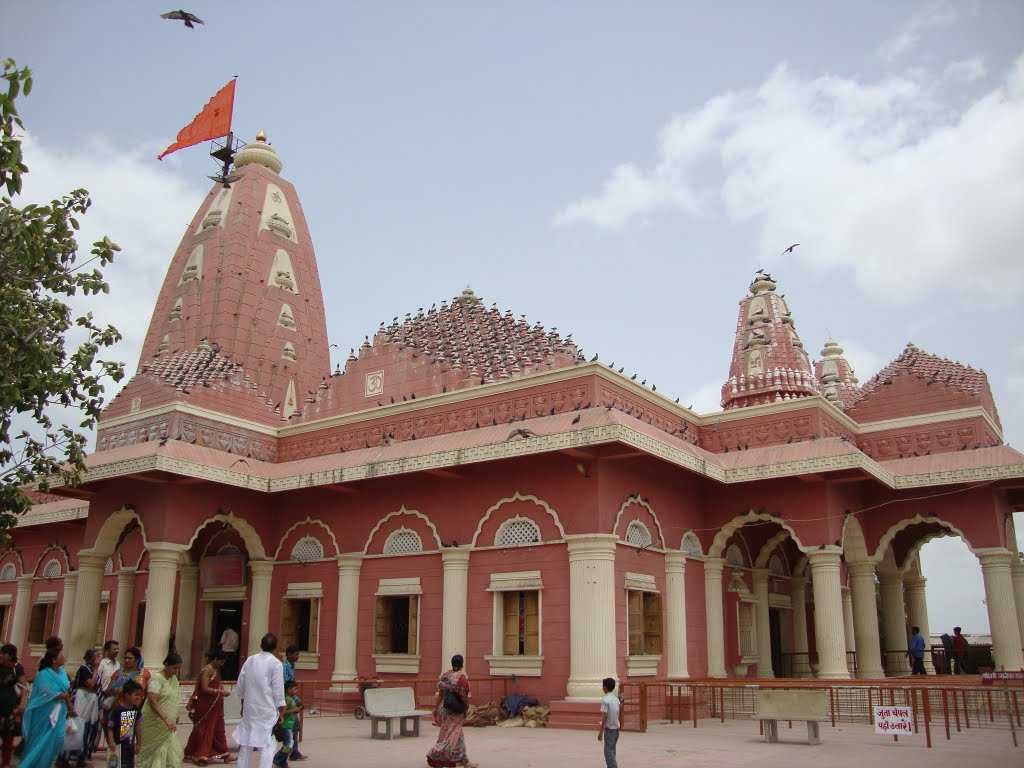 The Nageshwar Jyotirlinga Temple, situated near Dwarka in Gujarat, India, is a revered Hindu pilgrimage site dedicated to Lord Shiva. The temple's architecture showcases a harmonious blend of traditional and contemporary styles. The sanctum houses the Nageshwar Lingam, symbolizing the cosmic energy of Lord Shiva. The temple's shikhara (spire) is intricately adorned with sculptures and carvings, representing religious and mythological themes. The entrance gate features artistic embellishments, welcoming devotees with a sense of spiritual grandeur. The temple complex includes additional shrines, a spacious courtyard, and amenities for pilgrims. One unique feature is the giant statue of a reclining Vishnu nearby. Pilgrims believe that offering prayers at Nageshwar Jyotirlinga brings blessings and spiritual fulfillment. The architectural charm and religious importance make Nageshwar Jyotirlinga Temple a significant cultural
and spiritual landmark in the region.
WorshippingMethods
Worshipping at the Nageshwar Jyotirlinga involves a series of elaborate rituals deeply rooted in Hindu tradition. Devotees engage in practices aimed at seeking the blessings of Lord Shiva. The day usually commences with the morning prayers, where priests perform rituals like 'abhishekam,' bathing the lingam with sacred substances like milk, water, and honey. Special pujas and aartis are conducted throughout the day, accompanied by the chanting of Vedic hymns and mantras dedicated to Lord Shiva. Devotees often offer Bilva leaves, considered auspicious in Shiva worship, along with flowers and fruits.The Nageshwar Temple also has a unique tradition of performing 'jalabhishek,' where water from the nearby Arabian Sea is poured over the lingam. Pilgrims believe that such rituals symbolize the purification of the soul and seek divine blessings for peace, prosperity, and spiritual well-being.
Significance
The Nageshwar Jyotirlinga, located near Dwarka in Gujarat, holds profound significance in Hinduism. Mythologically, it is linked to the legend of Lord Shiva defeating the demon Daaruka, showcasing the divine triumph over evil. As one of the twelve Jyotirlingas, the temple is a revered pilgrimage site, drawing devotees seeking spiritual enlightenment and salvation. Worship at Nageshwar involves traditional rituals such as 'abhishekam' with sacred substances, chanting of hymns, and offerings of Bilva leaves and fruits.The temple's unique tradition of 'jalabhishek' with water from the Arabian Sea symbolizes the harmonious relationship between the sacred and the natural elements. Devotees believe that seeking blessings at Nageshwar provides protection from negative forces and fosters spiritual well-being. The temple, steeped in mythology and spiritual significance.
Timings
The temple opens for Darshan at 6.00am in the morning and remains open for Darshan until 12.30 pm in the morning. Mornings are the time when devotees pour milk over the Shivalinga. The temple opens for Darshan at 5.00 p.m in the evening and remains open for Darshan until 9.30 pm in the night
Transportation
The Nageshwar Jyotirlinga, located near Dwarka in Gujarat, holds profound significance in Hinduism. Mythologically, it is linked to the legend of Lord Shiva defeating the demon Daaruka, showcasing the divine triumph over evil. As one of the twelve Jyotirlingas, the temple is a revered pilgrimage site, drawing devotees seeking spiritual enlightenment and salvation. Worship at Nageshwar involves traditional rituals such as 'abhishekam' with sacred substances, chanting of hymns, and offerings of Bilva leaves and fruits. The temple's unique tradition of 'jalabhishek' with water from the Arabian Sea symbolizes the harmonious relationship between the sacred and the natural elements. Devotees believe that seeking blessings at Nageshwar provides protection from negative forces and fosters spiritual well-being. The temple, steeped in mythology and spiritual significance, stands as a symbol of Lord Shiva's divine presence and benevolence.
Open in Google MapsPrasadam
The prasadam at Nageshwar Jyotirlinga often includes sacred offerings like Bilva leaves, considered auspicious in Lord Shiva's worship. Devotees receive blessings in the form of vibhuti (sacred ash), kumkum (vermilion), and occasionally small packets of sweets. These prasadam items symbolize purity and divine grace, reinforcing the spiritual connection between the devotee and the deity.
Stotram
"दारुकावने तु यं ज्योतिर्लिङ्ग संस्हितं सर्वदा ।
"Darukavane tu yam jyotirlinga samsthitham sarvada."
360° Virtual Tour of Nageshwar Jyotirlinga
Experience the divine Nageshwar Jyotirlinga temple as if you are there, with this interactive 360° virtual view.